Dechinta’s Return on Investment
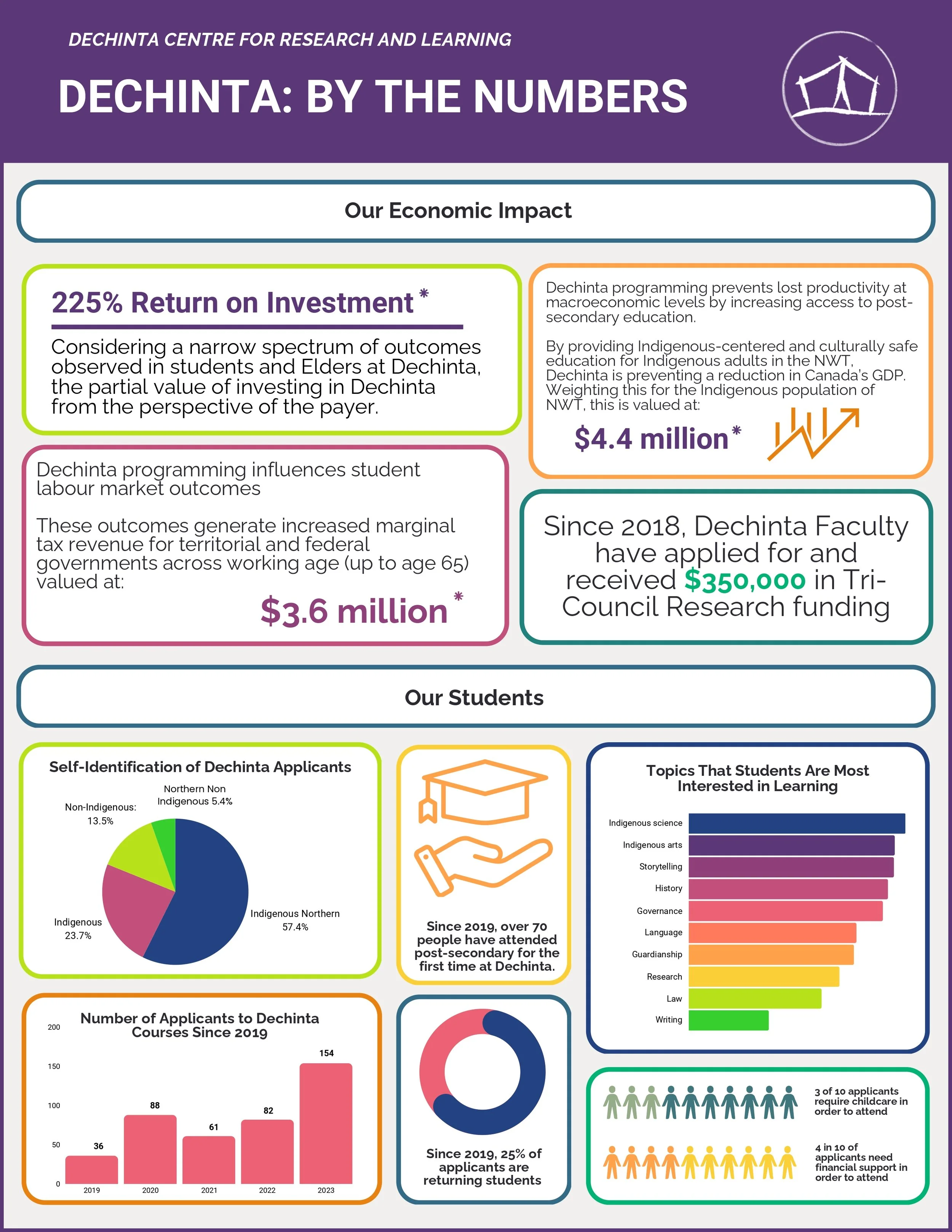
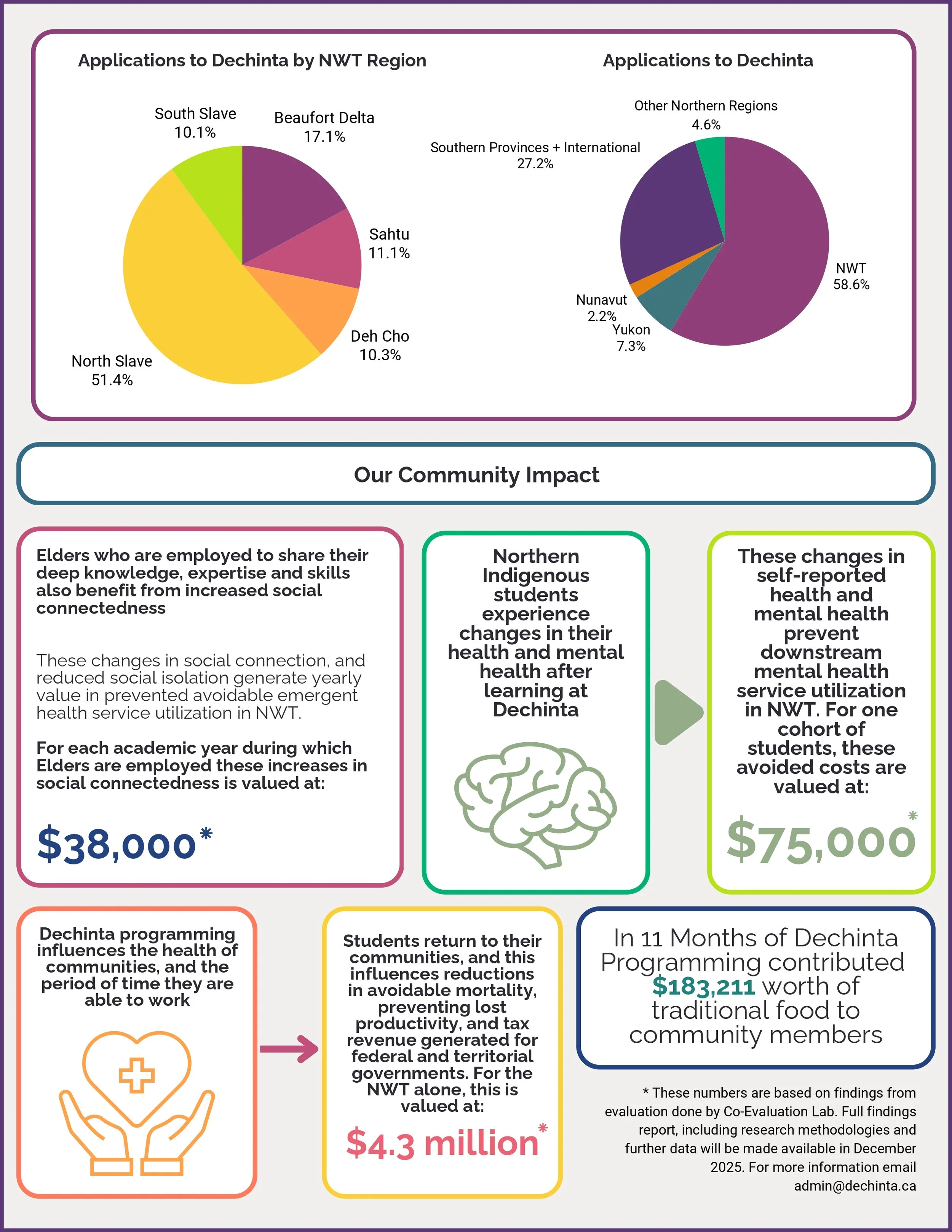
Operating since 2010, Dechinta’s model of land-based post-secondary education provides a strengths-based and culturally relevant option for post-secondary education in the North. The programming at Dechinta demonstrates the multigenerational impact of community-led and land-based programming.
Our programs invest first in meaningful relationships and community building. Through these relationships, we are able to create agile and flexible programs that reflect and adapt to community needs and are resilient in the face of external challenges. Due to increasing funding and support, Dechinta has been able to expand programming to include important cultural programming, and engage in research activity.
Now and in the future, Dechinta is continuing our work to be a globally recognized leader in Indigenous land-based post-secondary education, and a solutions provider for communities, (facilitating community-led land-based education), a labour market generator (hiring local and providing living wages), and a constructive partner in post-secondary education learning.
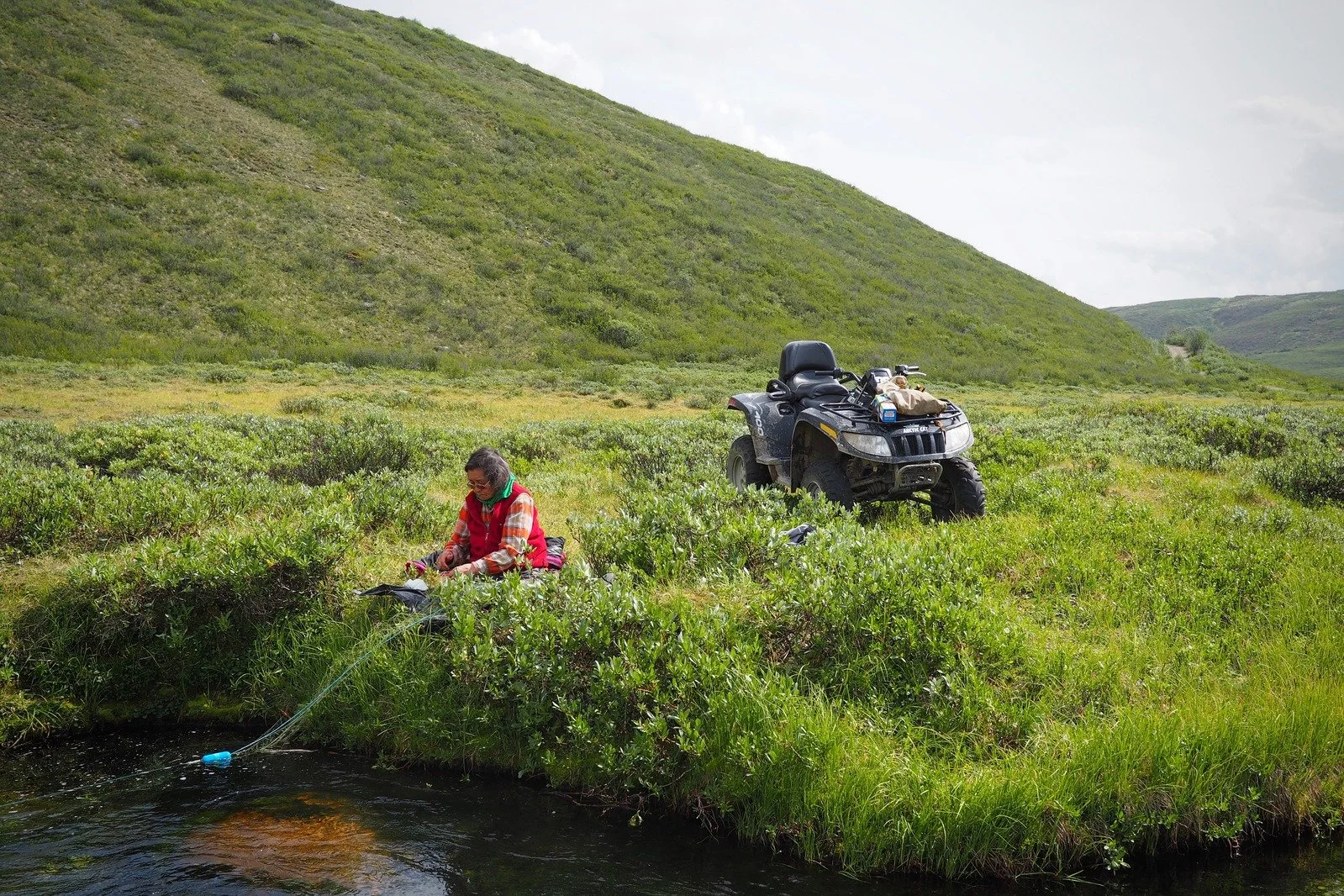
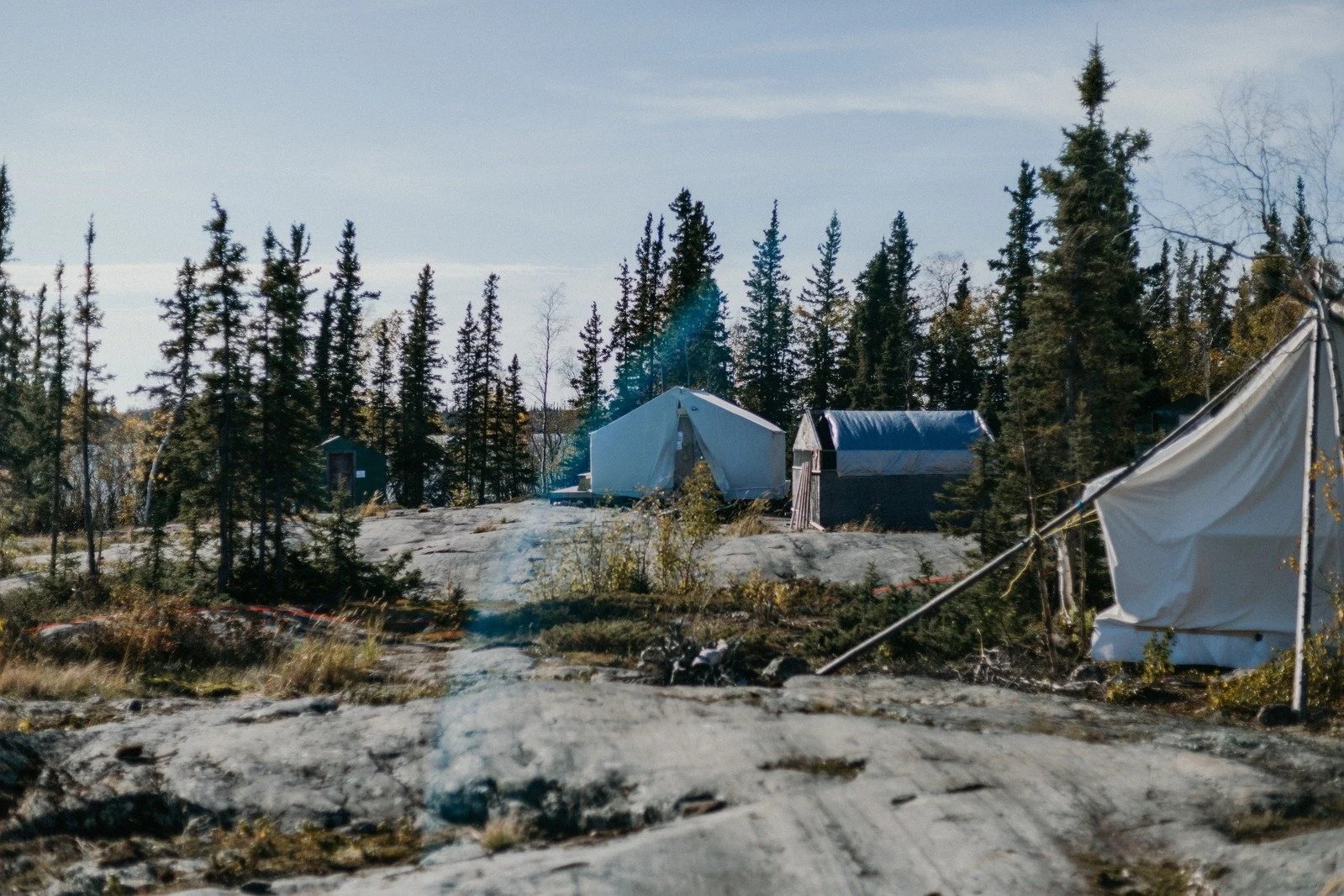
Our work at Dechinta is rooted in a connection to the land and local ways of knowing and understanding. We are able to achieve the outcomes that we do by centring Indigenous Laws, Values, and Protocols in all of our work.
We take a multigenerational framework to learning, provide a holistic and embodied approach to education, centre Indigenous Pedagogy in our programs, maintain strong and reciprocal community relationships, and prioritize the inclusion of local Elders and knowledge holders in all of our work.
Dechinta’s community-first approach, which includes considerations around particular struggles with mental health, trauma, or other political, ethical or social struggles in a community. As a reflection of this approach, we have invested in significant wrap-around supports, and continue to generate important data and research around ongoing or shifting barriers that Northern students face when accessing post-secondary education.